
Original patented tools for public works
Catch the debris, reduce confined space entries
The Grappler Manhole Debris Catcher keeps dirt, rock, asphalt and concrete out of the sewer during manhole adjustments and rebuilds, and reduces the need for crews to enter the structure. It prevents the backups that unprotected manhole work causes. Many municipalities now require contractors to use it.
To place an order with a Purchase Order, call or email us.

Nobody goes down the hole
Routine manhole repairs are done from the surface, avoiding possible injury.
No jetter, no vac truck
The spoil comes back up inside the catcher, so nothing has to be flushed out of the sewer.
Re-fabric it, do not replace it
The Tuff Coat fabric unclips at the Quick Links and is replaced on its own, so the assembly stays.
Shop
Products

Manhole Debris Catcher
Contains debris during manhole adjustment and rehabilitation.
In stock. Ships within one to two business days.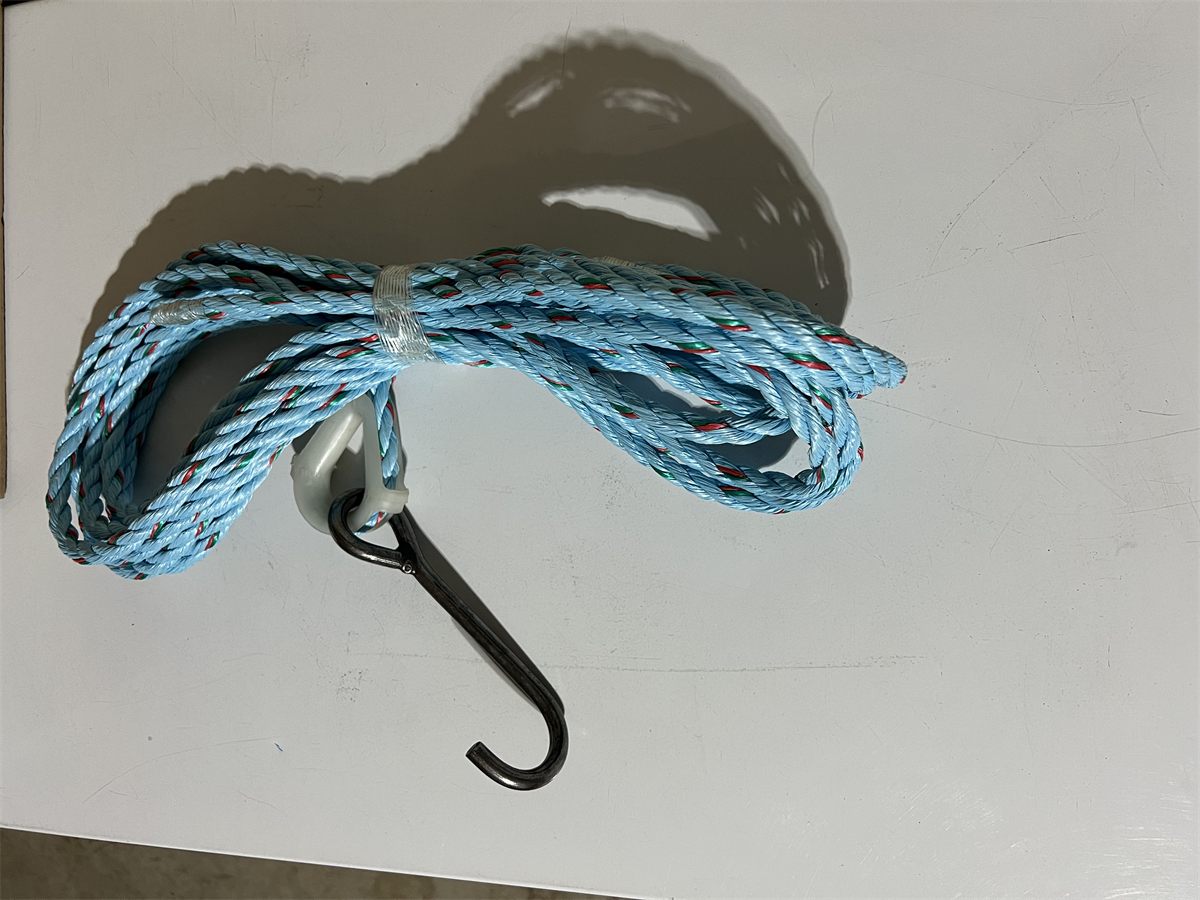
25 ft Rope & Hook
For deploying and retrieving the Debris Catcher.
In stock.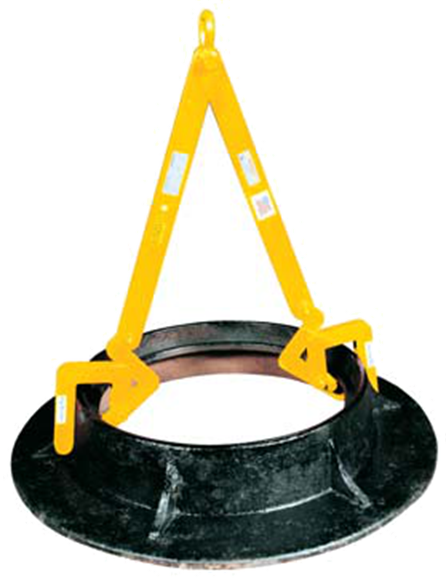
Caldwell Sleeve Lifter MCL-1/2, two leg
Single-operator casting lift. 1,000 lb capacity.
Lead time is approximately one week.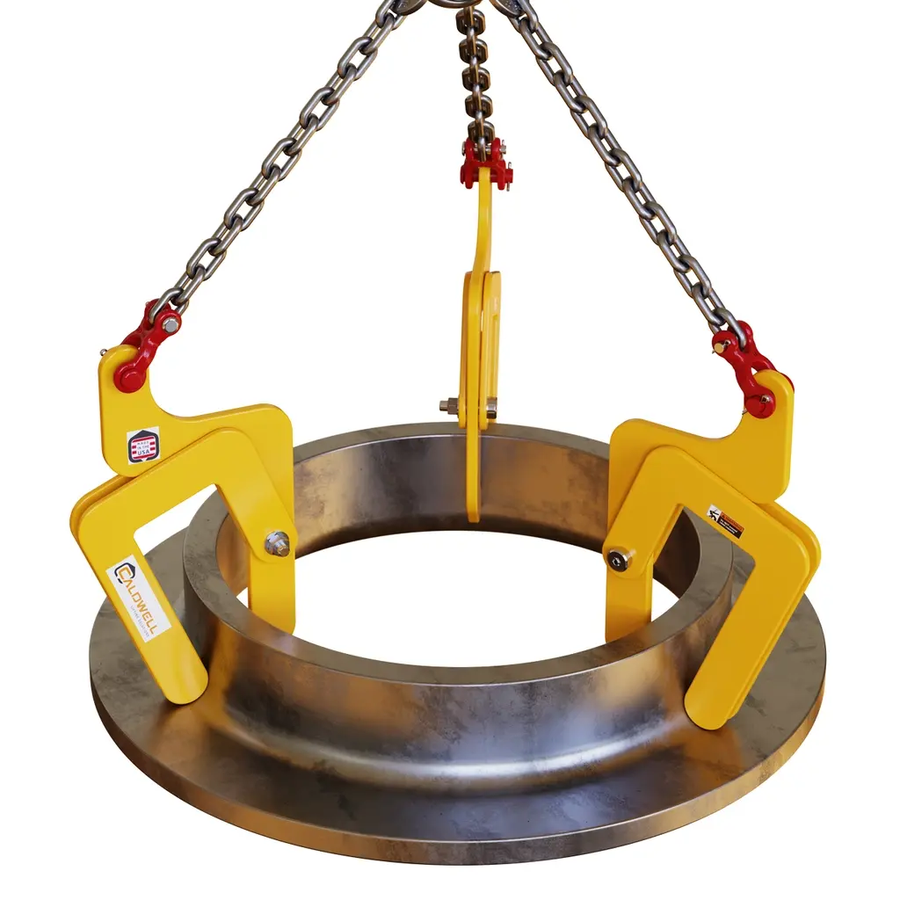
Caldwell Sleeve Lifter MCL-3/4, three leg
Higher capacity, with compact storage. 1,500 lb capacity.
Lead time is approximately one week.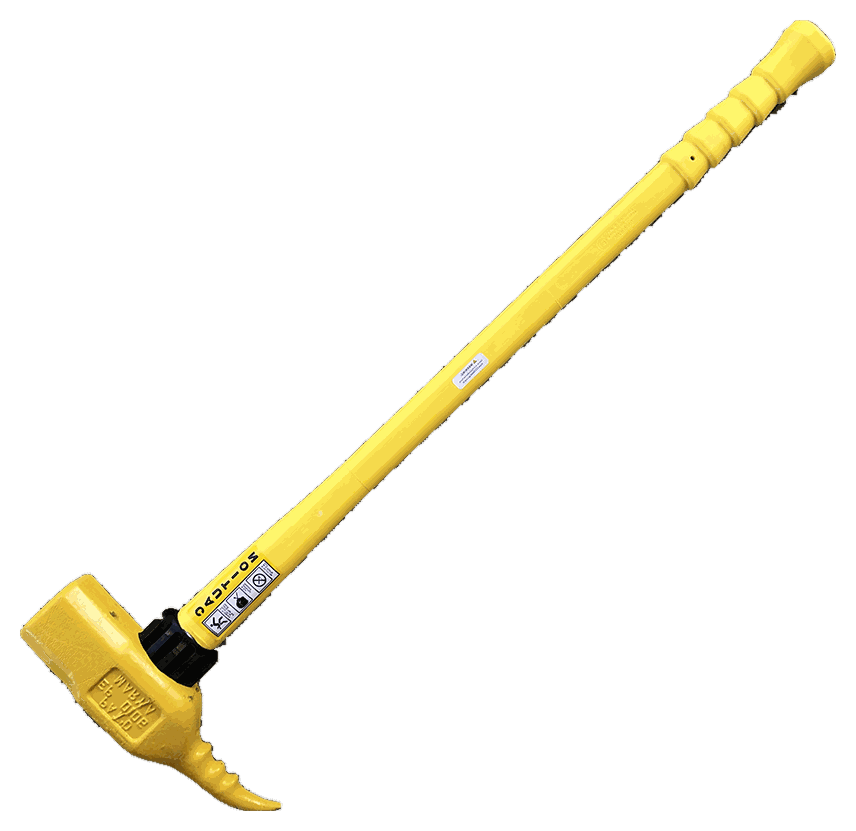
Manhole Pick "Mary A", 12 lb
Releases frozen covers using leverage rather than force.
In stock.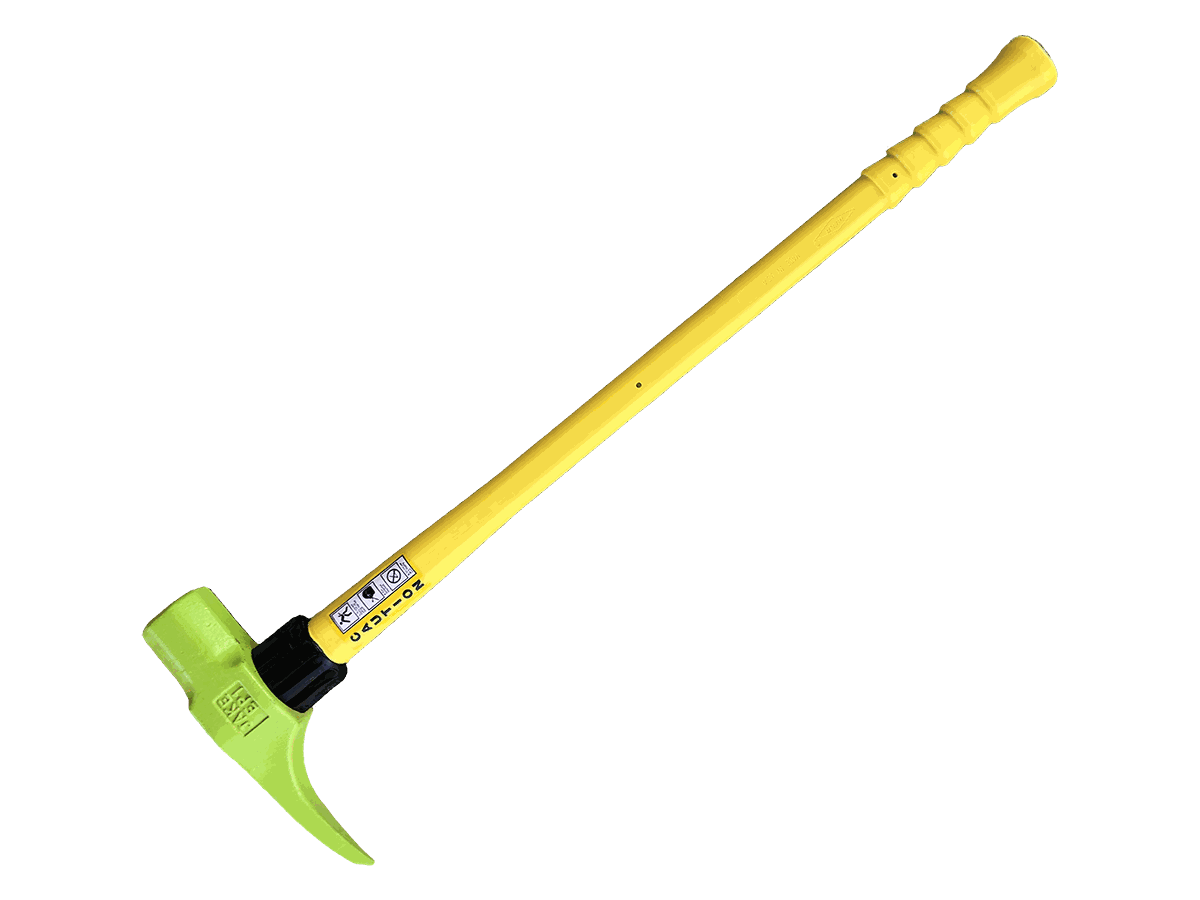
Manhole Pick "Jake", 8 lb
Smooth pick and an 8 lb head, for opening covers all day.
In stock.- Truck crew kitMary A, MCL-3/4, Debris Catcher, Rope & Hook$2,694.00
- Walking crew kitJake, Debris Catcher, Rope & Hook$1,085.00
Specified by cities
Many municipalities require it
A growing number of cities now require contractors to use a debris catcher on any project involving manhole digging, repair, or adjustment. If your specification requires one, the Grappler Manhole Debris Catcher meets it.
The Contractor shall furnish and utilize an umbrella-type device to prevent debris from entering the sewer system during construction.
The device shall be as manufactured by Grappler Specialty Products or City approved equal.
The use of a manhole debris catcher equal or equivalent to that provided by Grappler Specialty Products (www.grapplerusa.com) must be used when rehabilitating and or constructing new manholes, catch basins, and structures. The intent is to catch falling debris such as concrete grout mixture, soil, etc.
Furnish materials to catch all manhole debris such as a manhole debris catcher provided by Grappler Specialty Products (www.grapplerusa.com) or an approved equal.
Contractor must use this device when rehabilitating and or constructing new manholes on an interceptor sewer.
Why cities specify one
Debris that goes down has to come back up
Spoil from a casting adjustment that reaches the invert does not stay there. It becomes a blockage, and a blockage upstream of somebody's basement becomes a claim. The Debris Catcher is lowered and lifted on a rope from the surface, and the debris comes up with it.
of a city’s general liability losses
Sewer backups into private property account for roughly this share of the general liability insurance losses municipalities carry each year.
average claim, and that is the cheap one
The average sewer loss for an unfinished basement. A typical claim across all backups runs into the mid thirty thousands, and finished space costs more.
Every load that comes up in the basket is an entry nobody has to plan, permit, staff or stand by for.
The other cost is the entry itself
Going down after the debris is not a quick look. Manhole work puts a contractor under OSHA's confined spaces standard, and a routine entry on an ordinary day still means all of this:
- Identify and evaluate the hazards of the space before anybody enters it
- Test the atmosphere in sequence: oxygen first, then combustible gases, then toxic gases
- Monitor the atmosphere continuously while the entry is open
- Station an attendant outside the space for the whole of the entry
- Arrange rescue services and have the rescue equipment on hand
- Issue a written entry permit, and cancel it when the work is done
A sewer cannot be isolated the way a tank can, because the rest of the
system is still connected to it. OSHA puts it plainly:
If the employer demonstrates that isolation of the space is infeasible because the space is large or is part of a continuous system (such as a sewer), the employer must test conditions in the permit space to determine if acceptable entry conditions exist.
See
OSHA, Confined Spaces in Construction, 29 CFR 1926 Subpart AA
and
Confined Spaces in Construction: Sewer Systems (OSHA 3789).